Improvement advice
Move up the scale with the fewest pounds spent.
Our improvement report models your property measure by measure and ranks the options by rating gained per pound. Whether you need to reach E to let, C for the proposed standard, or simply want lower bills — you'll know exactly what to do first.
- Modelled 'what-if' scenarios
- Cost-per-band-gained ranking
- Grant & funding pointers
- Re-assessment discount
£39 when booked with an EPC
Try it
See how measures stack up.
Tick the improvements you're considering and watch the modelled rating move. The real report does this with your property's actual survey data.
Select improvements
Modelled rating
Indicative cost
—
Illustrative points for a typical semi-detached home rated D. Your report models the exact uplift for your property using the assessed data, ranked by cost per band gained.
What you get
A report you can hand to a builder — or a lender.
Written in plain English, with the modelling behind it available if your lender, agent or accreditation body asks.
Ranked measures
Every applicable measure ordered by rating uplift per pound, with the band you'd reach after each one.
Scenario modelling
Three packages — 'reach E', 'reach C' and 'best value' — so you can pick a budget, not just a wish list.
Cost & savings ranges
Indicative installation costs and estimated annual bill savings using current fuel prices.
Funding pointers
Which grants and schemes may apply, such as Boiler Upgrade Scheme or local energy-efficiency funding, and who to contact.
Evidence checklist
What paperwork to keep from installers so every measure counts at re-assessment.
Re-assessment discount
When the work is done, we re-assess at a reduced rate and lodge the improved certificate.
Where the bands come from
Three places most homes find their next band.
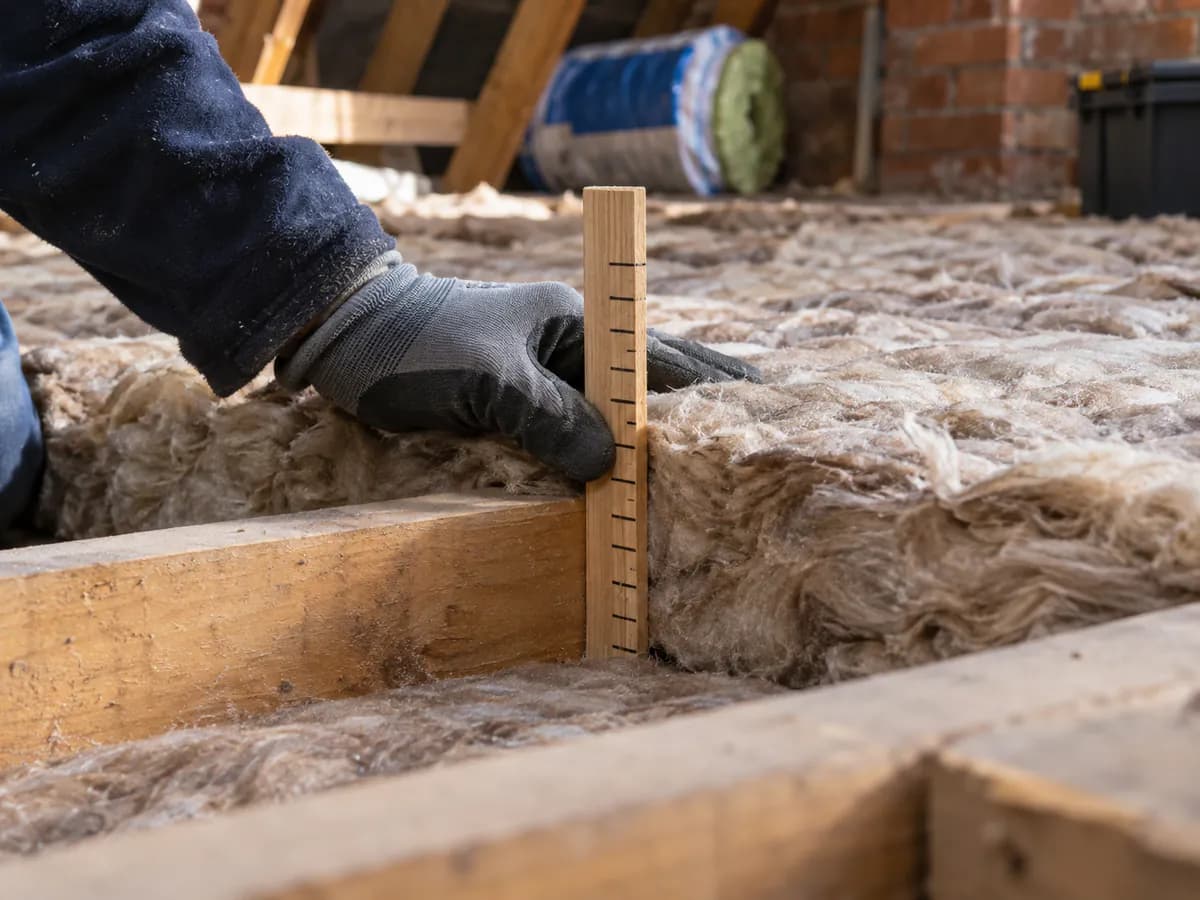
Insulation first
Loft top-ups and cavity fill are usually the cheapest bands you'll ever buy — often two bands for under £1,000.
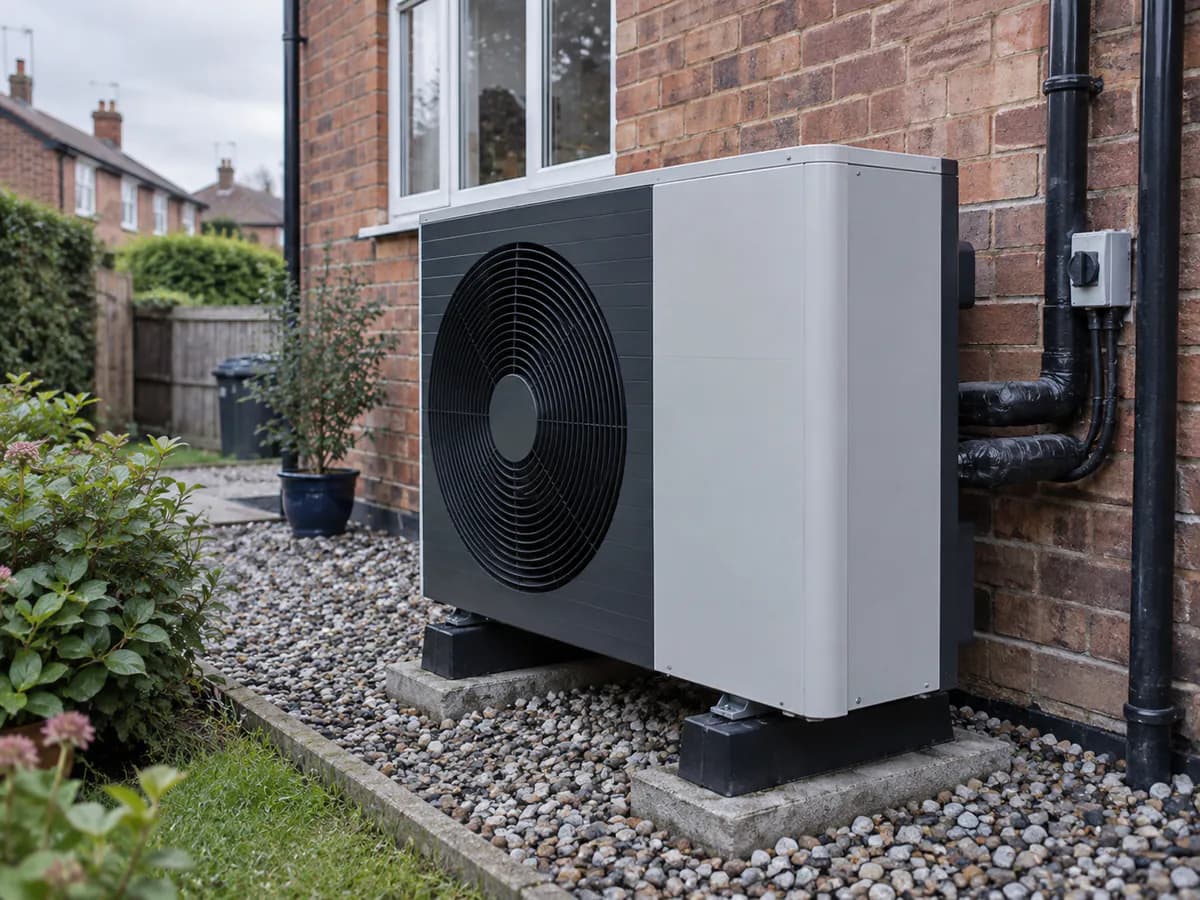
Heating & controls
A modern boiler or heat pump, plus a thermostat and TRVs, moves the needle on both rating and bills.
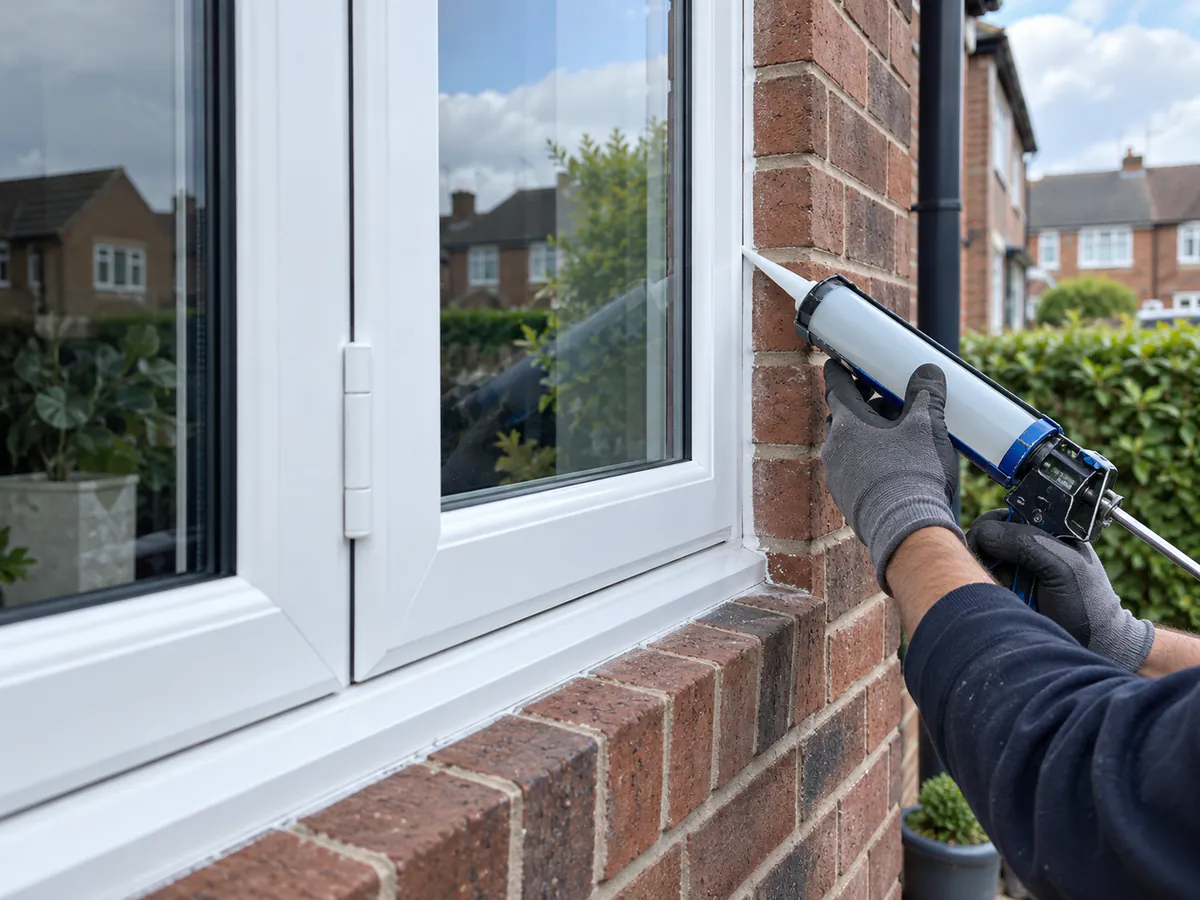
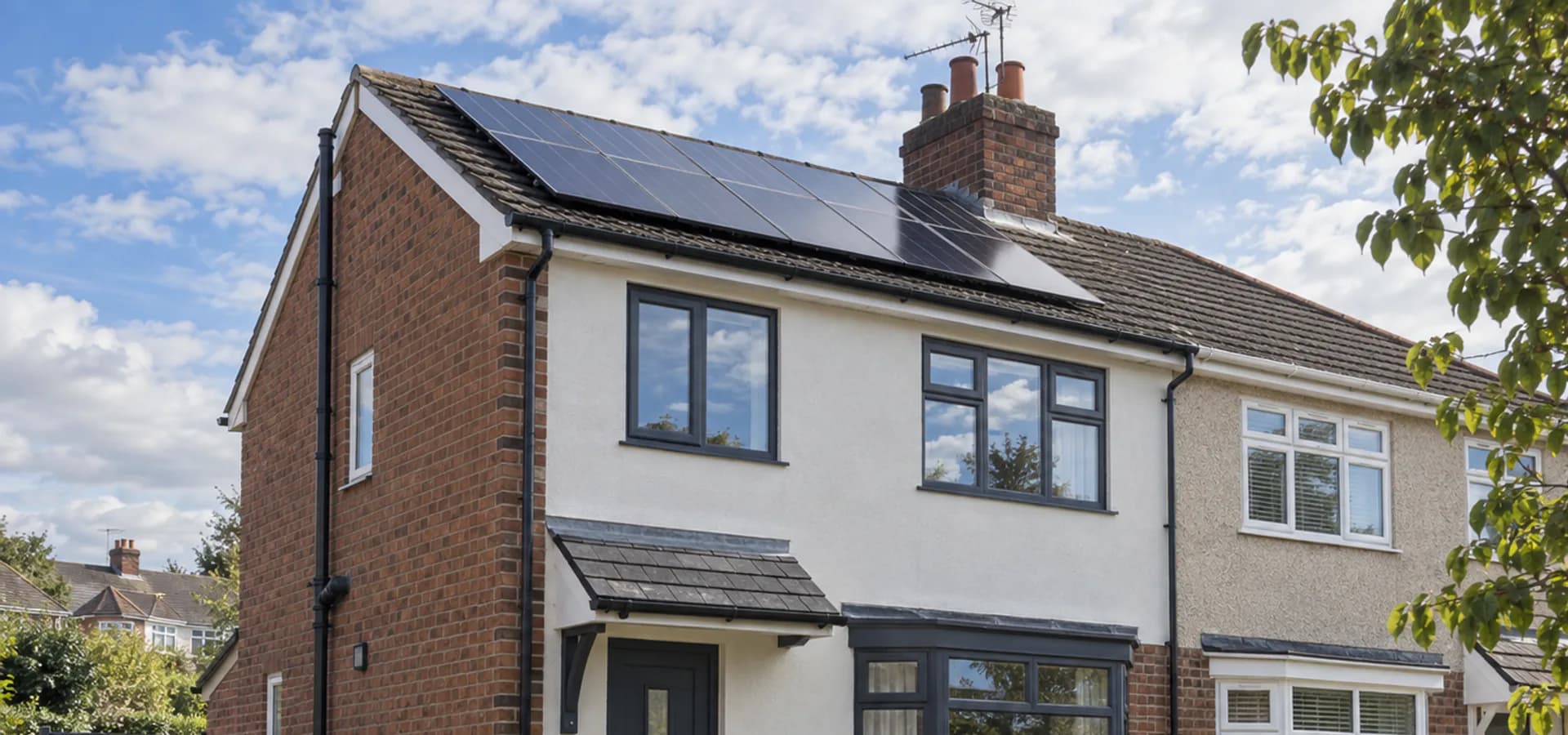
Glazing & renewables
Bigger-ticket items with real impact — modelled honestly so you can see the payback before you commit.
Who orders one
Landlords, sellers and anyone planning retrofit.
- Landlords below C — plan for the proposed 2028–2030 standard on your own timetable rather than under a deadline.
- Landlords at F or G — the fastest, cheapest route to the current E minimum, with cost-cap evidence if an exemption is genuinely needed.
- Home sellers — a better rating on the listing widens your buyer pool and supports green mortgage offers.
- Retrofit planners — sequence the works sensibly: fabric first, then heating, then renewables.
How it works
- 1
Survey or existing data
We use the data from your EPCExpress assessment, or carry out a survey if your certificate was produced elsewhere.
- 2
Model the measures
Each applicable improvement is modelled individually and in combination using the same methodology as the certificate.
- 3
Report within 3 working days
Ranked measures, three scenarios, costs, savings and funding pointers — emailed as a PDF.
- 4
Re-assess when you're ready
Book a discounted re-assessment and we lodge the improved rating on the national register.
Questions
Improvement questions
Something else on your mind? Browse all FAQs or ask us directly.
The certificate lists recommended measures with indicative costs and savings. Typically the biggest gains for the least cost come from loft insulation, LED lighting, heating controls, draught-proofing and a modern condensing boiler or heat pump. Our EPC Improvement Advice service models the exact effect of each option on your property.
Greener tomorrow
Know your next band before you spend a penny.
Order the improvement report on its own, or add it to an EPC booking for £39.